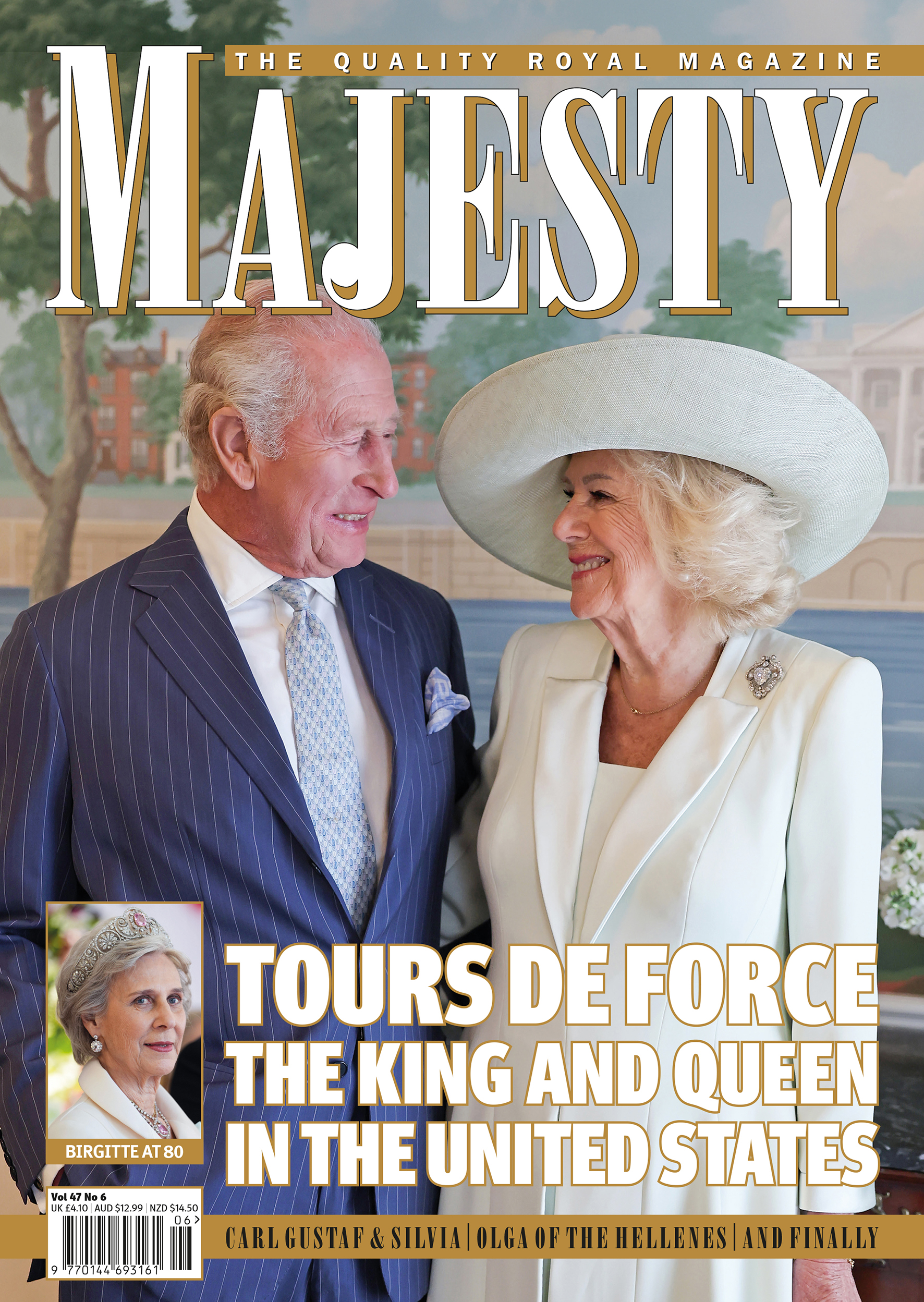
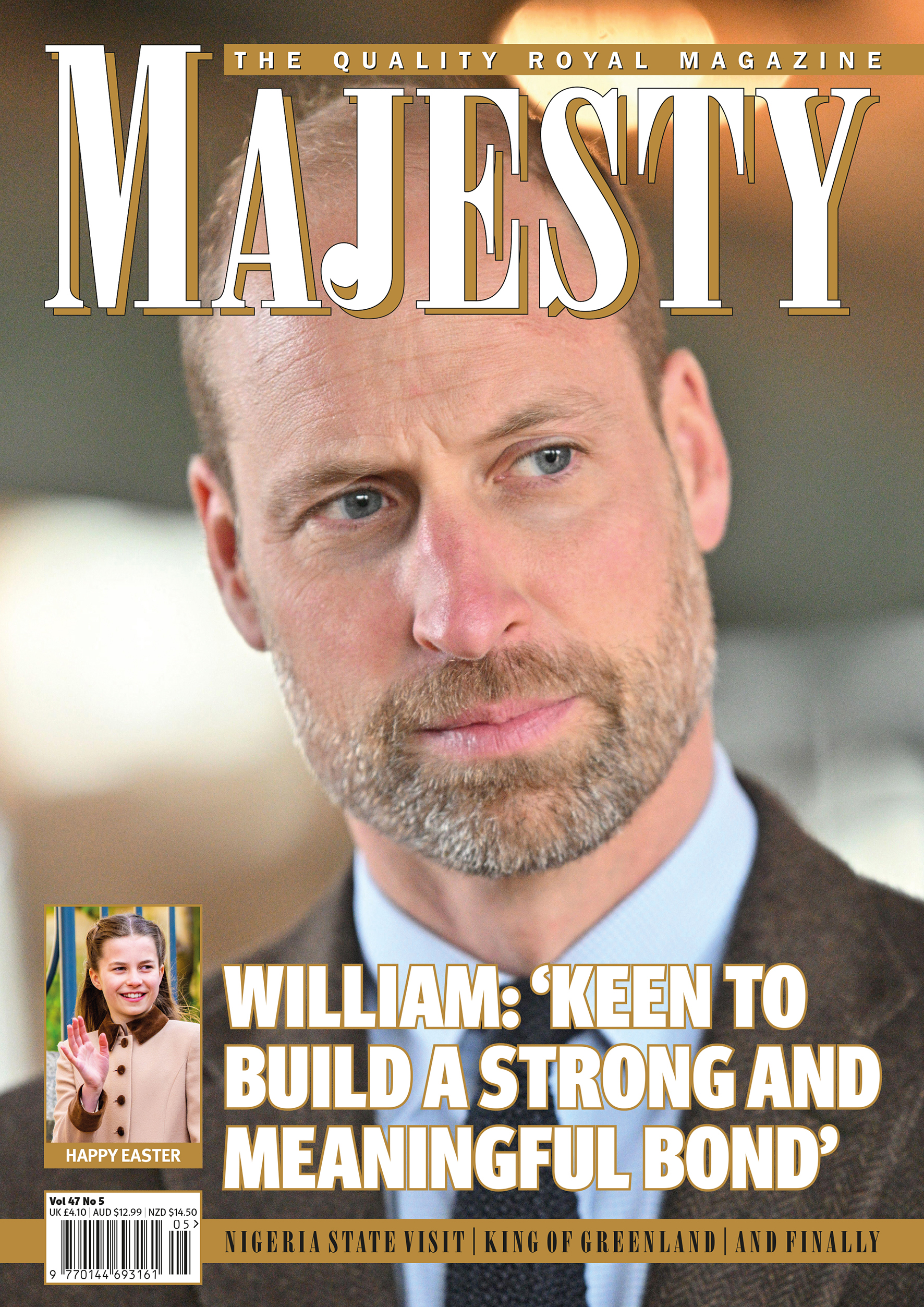
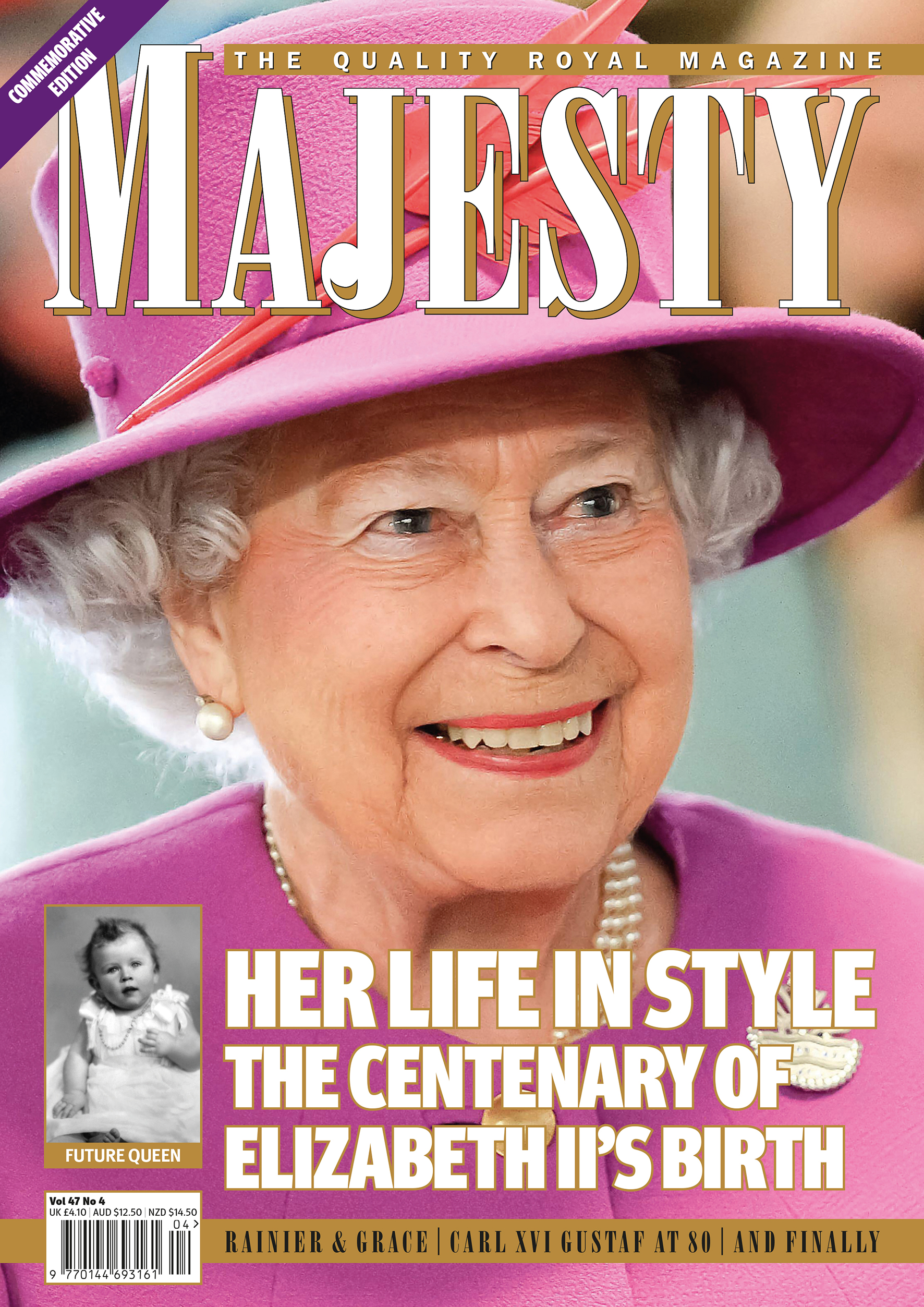
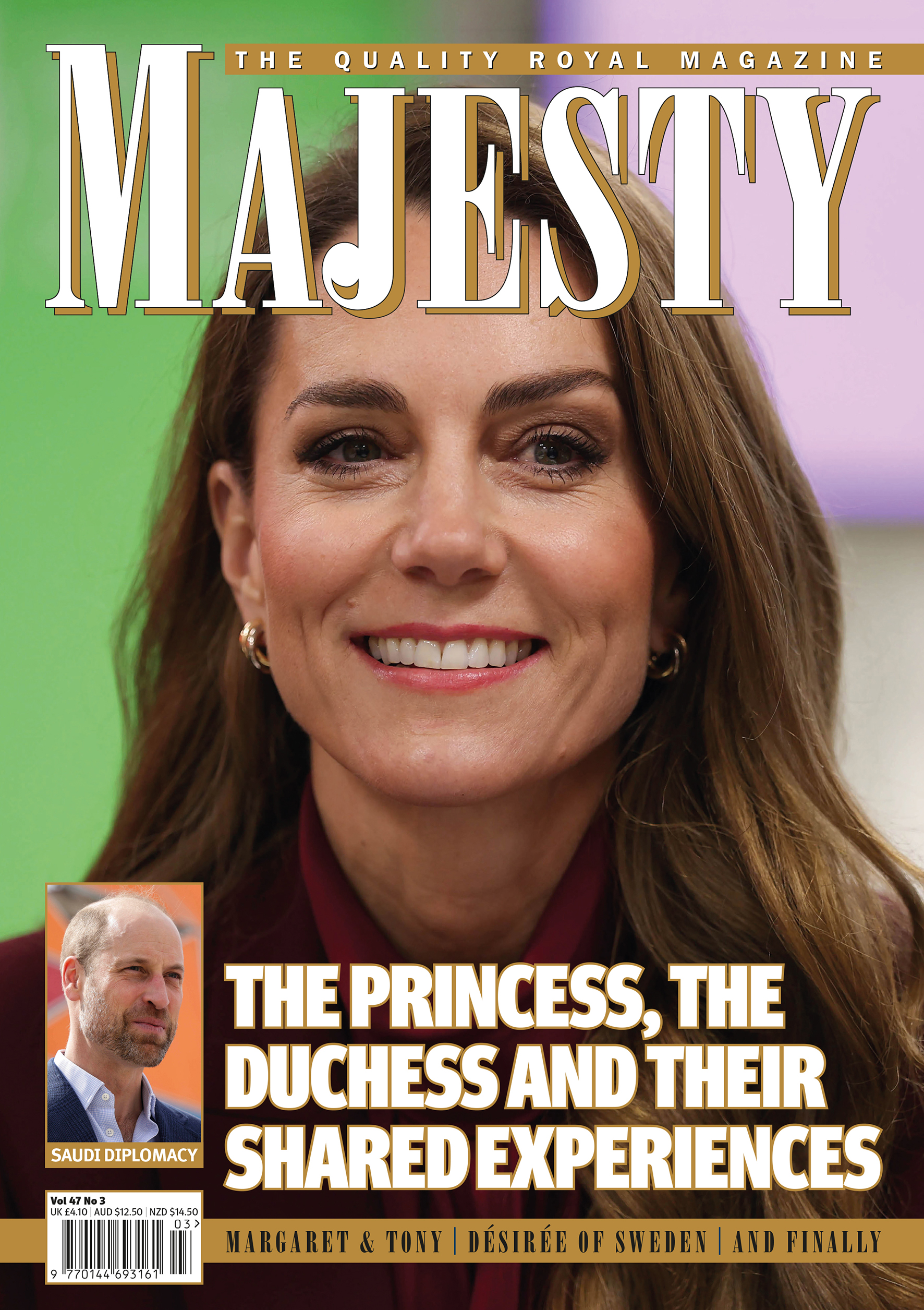
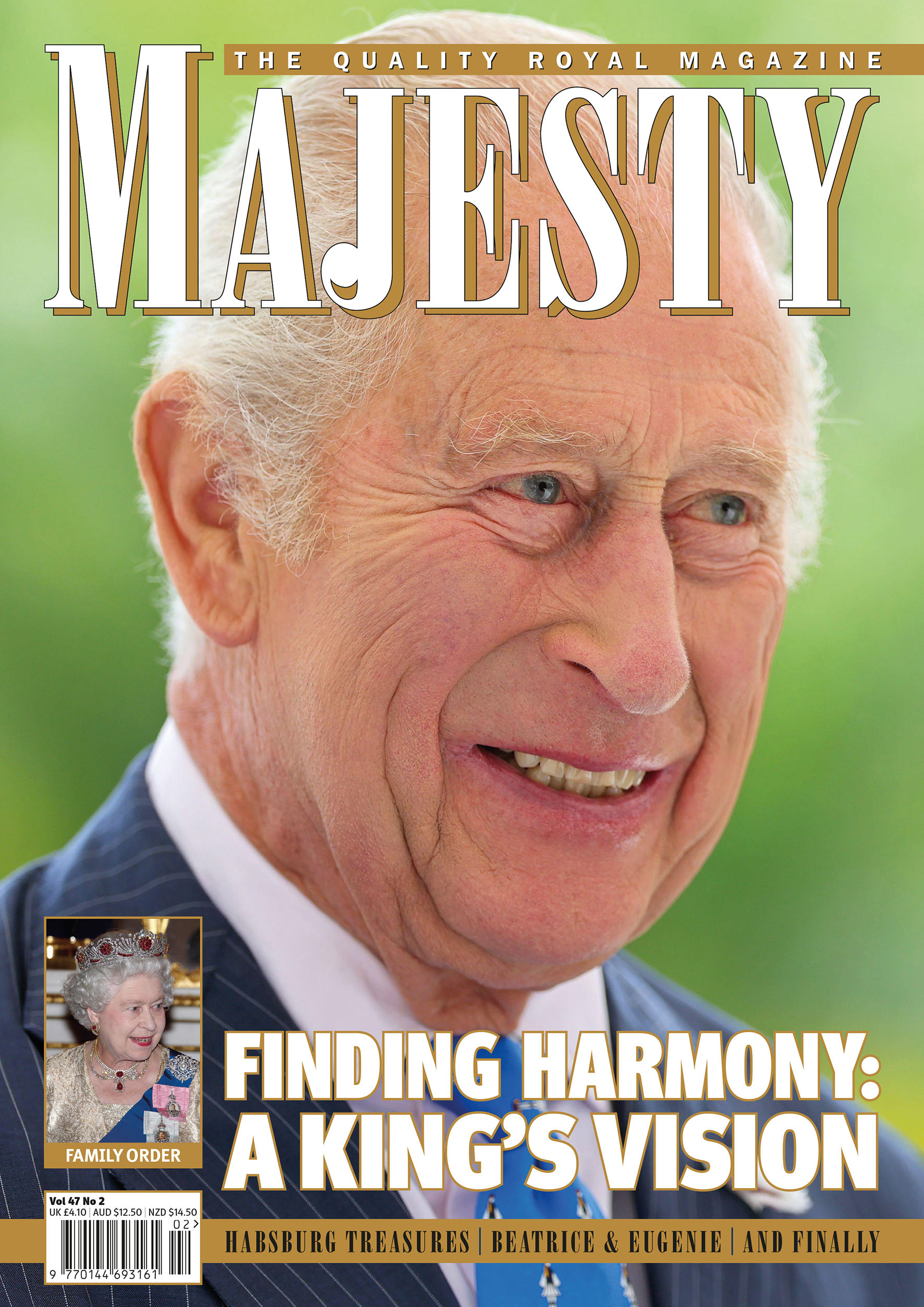
King Charles III has never enjoyed disruption in the smooth running of his life. His household has long been built on continuity: he pays his staff well, treats them with respect and many stay with him for decades. It was much the same for the late Queen Elizabeth II. In her final years she encouraged her loyal retainers to ‘see her out’, which they did, understanding that constancy was the greatest kindness they could offer her.
Now it is different. Employees are younger and move on, as royal service in whatever capacity is a guarantee of a prestigious future position. Sadly for the King and Queen, their principal private secretary Sir Clive Alderton has announced he is to step down next year around the time of his 60th birthday.
Since Sir Clive joined royal employ 20 years ago he has risen to be the King’s most trusted aide and he will be greatly missed by His Majesty. The King and Queen are ‘deeply grateful to Clive for his tireless support and wise counsel over the years and for the enduring loyalty that will ensure a smooth transition to his successor,’ said a Buckingham Palace spokesperson.
According to former communications secretary Julian Payne, working for the monarch in such a senior capacity is a 24-hour-a-day position. ‘Seven days a week. All day every day except for an hour on Sundays when Their Majesties are in church.’ So, however fascinating and rewarding the role might be, a private life is a necessity.
Prince Harry’s visit to Highgrove, his childhood home, while in the UK in July was a carefully choreographed reunion as it was the first time the King and Queen had seen his Sussex grandchildren – Archie, seven, and five-year-old Lilibet – in four years. No details of the visit were made public but it is thought that afterwards the Sussexes drove to Althorp, the Spencer family estate in Northamptonshire.
One of Meghan’s Instagram posts shows Lilibet following Archie, who is carrying flowers to lay on the island grave of their grandmother Diana, Princess of Wales. The Spencers have remained in close contact with Harry and his family and their presence at Althorp would have been welcome. Harry’s uncle Charles, the 9th Earl Spencer, married his fourth wife, archaeologist Cat Jarman, in May.
The fourth anniversary of Queen Elizabeth’s death at Balmoral Castle occurs this month. Balmoral was also where Princess Elizabeth accepted 25-year-old Prince Philip of Greece and Denmark’s proposal of marriage in the summer of 1946. Her father King George VI agreed to the marriage, but news of the engagement had to be kept secret until his daughter was 21.
Recently released records of Philip’s Gordonstoun school reports written by founder and headmaster Kurt Hahn reveal some interesting facts about the prince’s character that remained with him in later life. Hahn noted that although Philip was ‘universally liked and respected’ he sometimes struggled to control his temper. ‘When baulked in his plans [he is] still inclined to jump to angry conclusions.’
‘As a leader of games he is at times too irritable,’ Hahn added. ‘He has a power of meticulous application but will only do his best under pressure.