On the morning of his 66th birthday, 19 February, Andrew Mountbatten-Windsor had the shameful distinction of being the first senior member of the British royal family to be arrested since King Charles I in 1647.
Six unmarked police cars arrived at Wood Farm on the Sandringham Estate, where Andrew is staying having finally left Royal Lodge. The arrest was made on suspicion of misconduct in public office, and he was taken to Aylsham police station in Norfolk for questioning. Thames Valley Police confirmed the arrest related to the alleged sharing of confidential government documents with Jeffrey Epstein while Andrew was serving as the UK’s trade envoy. The King was not informed beforehand but continued with his duties as planned, after releasing a hastily drafted statement.
‘I have learned with the deepest concern the news about Andrew Mountbatten-Windsor and suspicion of misconduct in public office. What now follows is the full, fair and proper process by which this issue is investigated in the appropriate manner and by the appropriate authorities.
‘In this, as I have said before, they have our full and wholehearted support and co-operation. Let me state clearly: the law must take its course. As this process continues, it would not be right for me to comment further on this matter. Meanwhile, my family and I will continue in our duty and service to you all.’
However much a surprise it must have been, the royal family continued with their planned engagements. Andrew was released ‘under investigation’ that evening knowing the enquiries will take many months.
The problems the monarchy is currently experiencing appear to be endless, but the King is an old hand at diplomacy – especially international diplomacy. Like his late mother, Charles III knows exactly how to manage any uncomfortable issue that might arise. Queen Elizabeth II’s genius was how she could absorb awkwardness, so others didn’t have to, and thus maintain the dignity of the moment. The King is the same.
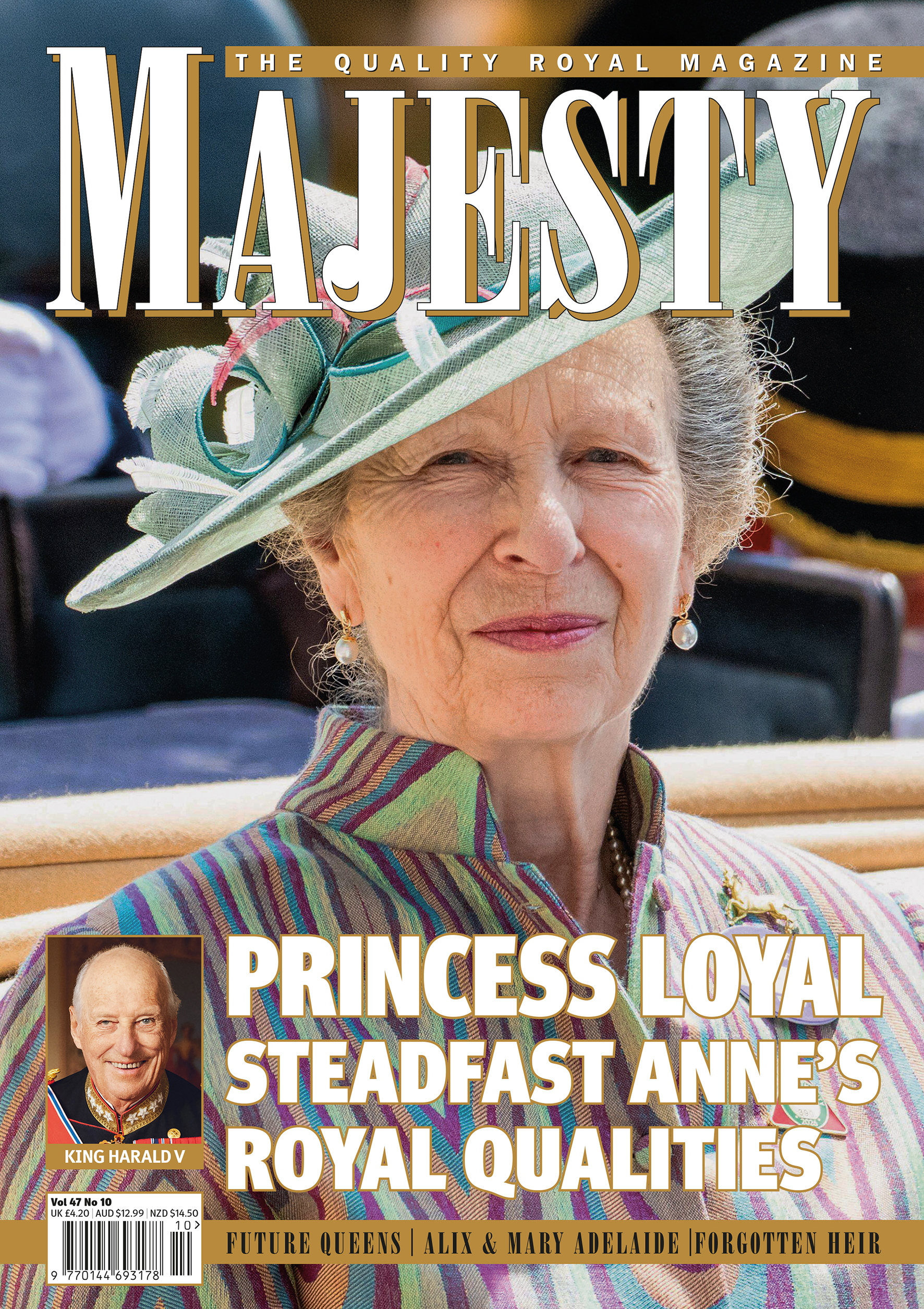
Although the BBC has ceased to provide a live television broadcast of the annual Commonwealth Day Service of Celebration at Westminster Abbey, it was still enjoyed by many. The King and Queen were joined by the Prince and Princess of Wales, the Princess Royal and Vice Admiral Sir Timothy Laurence, and the Duke and Duchess of Gloucester. Prince Albert of Monaco was also present.
The King ignored the noisy anti-monarchy group protesting outside, having released a message highlighting that ‘great possibilities’ continued for the Commonwealth despite global pressures. ‘In a world that can feel increasingly fragmented, this voluntary union of free association remains rare and precious.’
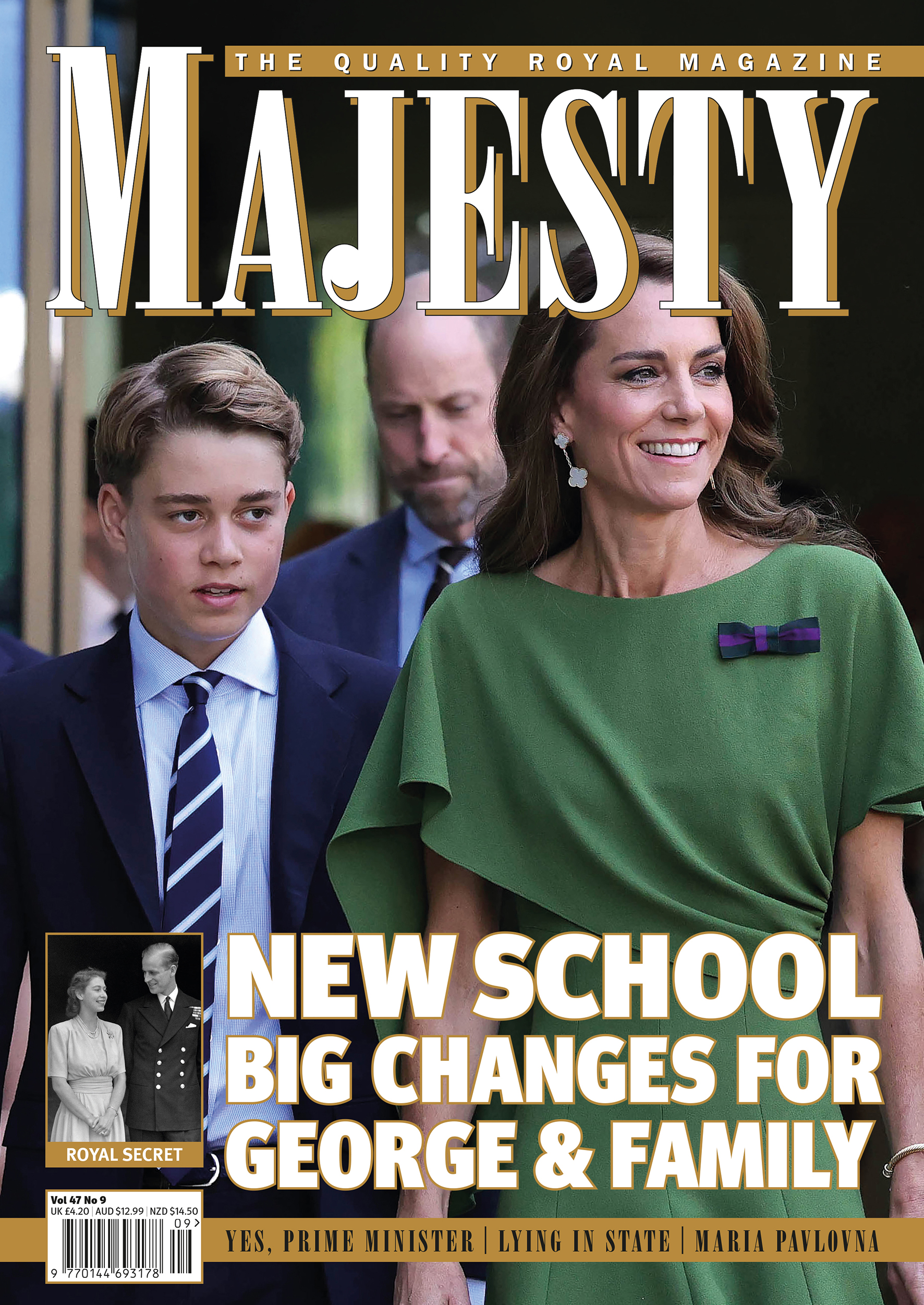
The Princess of Wales revealed she has mastered a little of the Welsh language by recording a joint video message with her husband to celebrate St David’s Day. During a visit to Powys in February Prince William mentioned that he relies on an app to hone his linguistic skills. ‘I use Duolingo a lot,’ he admitted. ‘I do Swahili on it as well.’
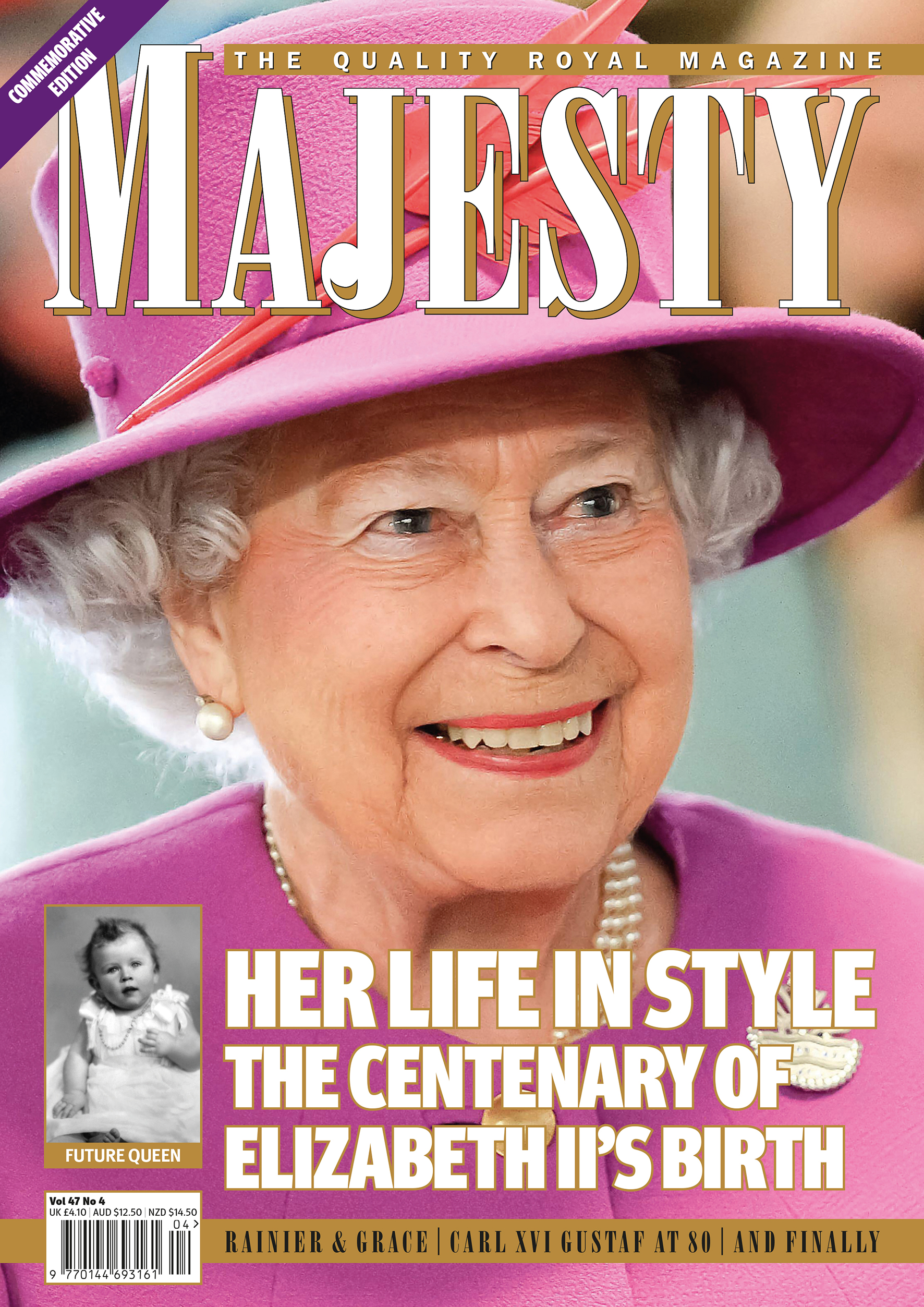
This month we celebrate the centenary of Queen Elizabeth II’s birth, one of the highlights of which is the major fashion exhibition due to open at the King’s Gallery, Buckingham Palace on 10 April (see pages 34-45).